


The Marine Carbon Dioxide Removal Coalition (mCDR Coalition) launched today, bringing together global leaders across companies, nonprofits, and academic institutions to support the responsible growth of marine carbon dioxide removal (mCDR). The coalition aims to inform and advance research, support evidence-based policy engagements, and build relationships between leaders in science, conservation, and governance.
The coalition is co-chaired by the Carbon Business Council and the World Ocean Council, with Toby Bryce, Policy Advisor to the Carbon Business Council, serving as Chair.
“Net zero is now regarded as impossible without carbon removal,” said Jill Storey, Marine CDR Advisor to the World Ocean Council. “Covering 71% of the Earth’s surface, the ocean offers the scale and potential needed to achieve climate goals. The mCDR Coalition is working to responsibly advance this emerging and vital maritime sector while raising its profile globally.”
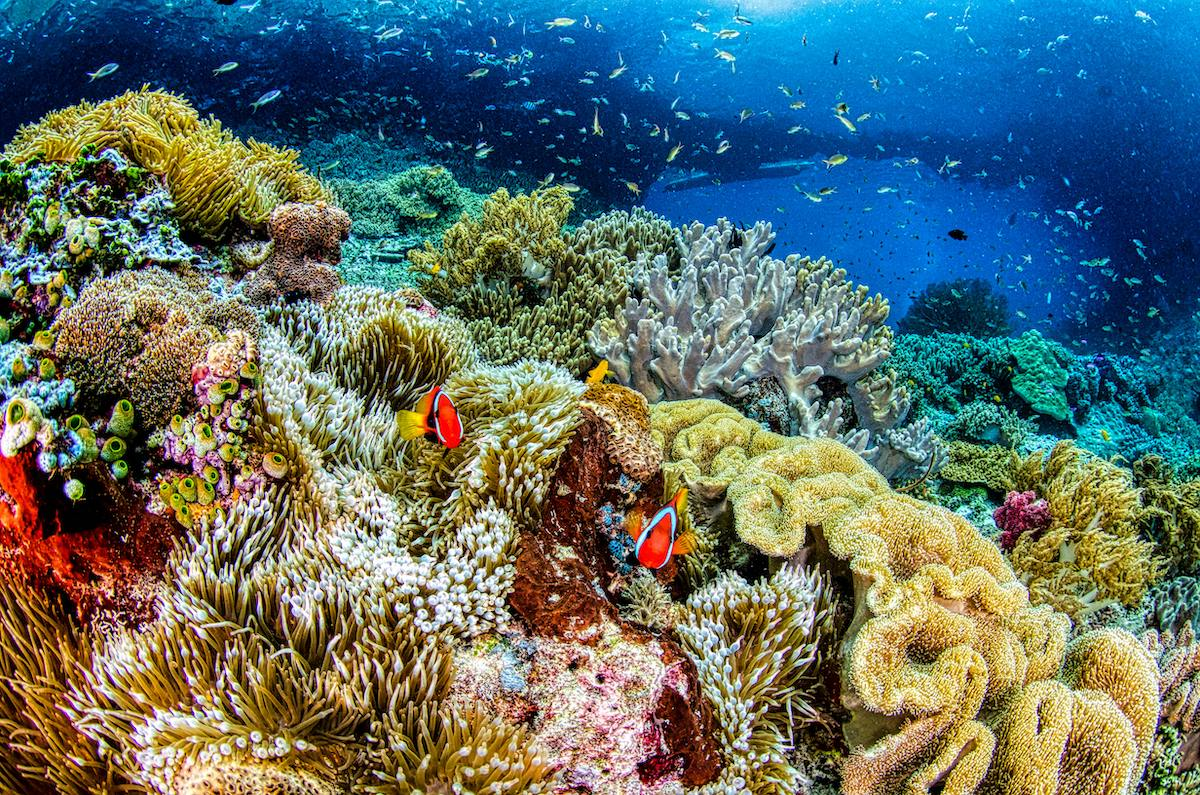
The ocean sequesters 30% of all CO2 emissions and 90% of the heat from climate change. Excessive production of CO2 is resulting in a chemical imbalance leading to ocean acidification, damaging ocean health and risking ecosystems. mCDR aims to collect CO2 from the ocean, potentially helping to restore the balance. However, there are serious concerns. One is that several technologies are being developed and used but the long term impact is now known. Secondly, a focus on removing CO2 can shift the focus away from reducing it.
The Marine Carbon Dioxide Removal Coalition aims to provide a platform for knowledge-sharing and collaboration on mCDR across a variety of pathways and perspectives. Members of the group have been meeting for nearly two years to align on shared challenges and opportunities for the mCDR field. The formal launch enables expanded membership and a more active presence in the mCDR ecosystem, with opportunities for additional organizations to join as the coalition grows.
“Marine CDR approaches offer a critical opportunity to address the carbon already disrupting our climate and ocean ecosystems,” said Ben Rubin, Executive Director of the Carbon Business Council. “With this vertical coalition, we’re bringing together innovators, scientists, and policy leaders to ensure the field grows with environmental integrity, community engagement, and transparency at its core.”
The mCDR Coalition is part of a broader initiative from the Carbon Business Council to support scaling carbon removal across a diversity of pathways. Each vertical is designed to foster deeper collaboration within individual approaches while reinforcing the sector’s collective strength as a unified carbon removal community. This launch represents the first dedicated forum of its kind for mCDR, strengthening collaboration within the field while creating a forum to engage with experts across academia, climate, community, and environmental organizations. It also serves as a key part of the World Ocean Council’s role in the EU Strategies for the Evaluation and Assessment of Ocean-Based Carbon Dioxide Removal (SEAO2-CDR) project, to expand international awareness, engagement, and participation in the sector.
Active members of the Marine Carbon Dioxide Removal Coalition include Banyu Carbon, Captura, Capture6, Ebb Carbon, Equatic, Isometric, Limenet, Planetary, Puro.earth, SeaO2, Vesta, and Vycarb. Initial observers include Carbon180, Carbon Removal Canada, Cascade Climate, [C]Worthy, Institute for Responsible Carbon Removal at American University, and Ocean Visions.


[…] quick and effective integration without the need for massive new infrastructure investment. Unlike biological approaches, OAE works through the ocean’s chemical buffering system, avoiding disruption to biological […]
[…] project will also develop models for electrochemical marine carbon dioxide removal (mCDR) powered by marine energy. NREL will work with PNNL to create tools that include models that power […]
[…] Brooklyn-based startup Vycarb, which is developing a scalable technology for removing and storing excess CO2 from water, has received a pre-seed funding round Twynam Earth Fund, the Australian company’s climate tech venture capital branch. […]
[…] unknown about this marine carbon dioxide removal (mCDR) pathway, and where the highest priority research and development is needed to close knowledge gaps and inform risk-benefit assessments. The organization is […]
[…] partners report the pilot was successful and validates Captura’s DOC system for commercial […]
[…] the world’s large carbon sink, absorbing about a third of CO₂ emissions each year. Ocean-based carbon dioxide removal technologies aim to increase that natural sink but the technology is new and, responsible […]
Comments are closed.